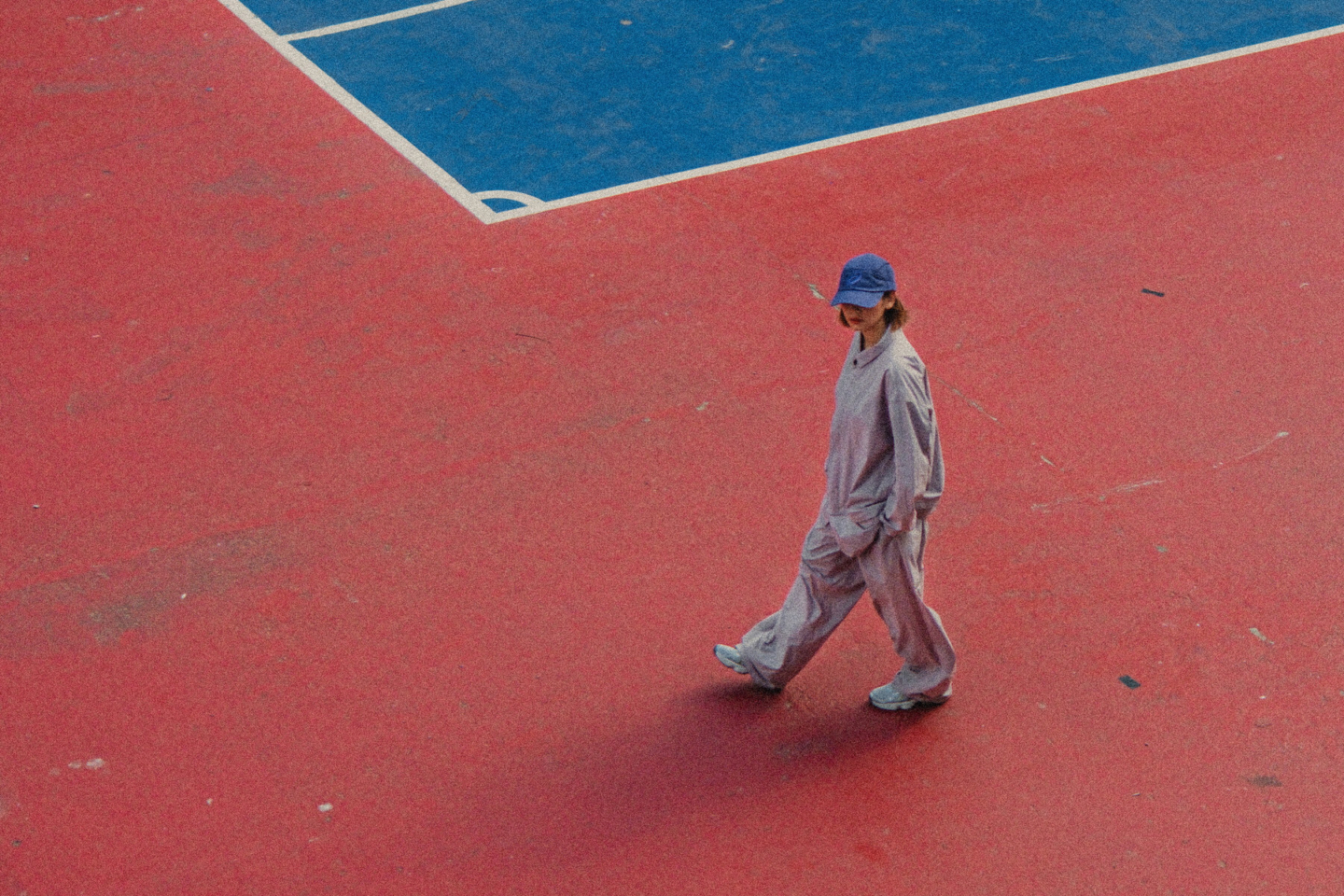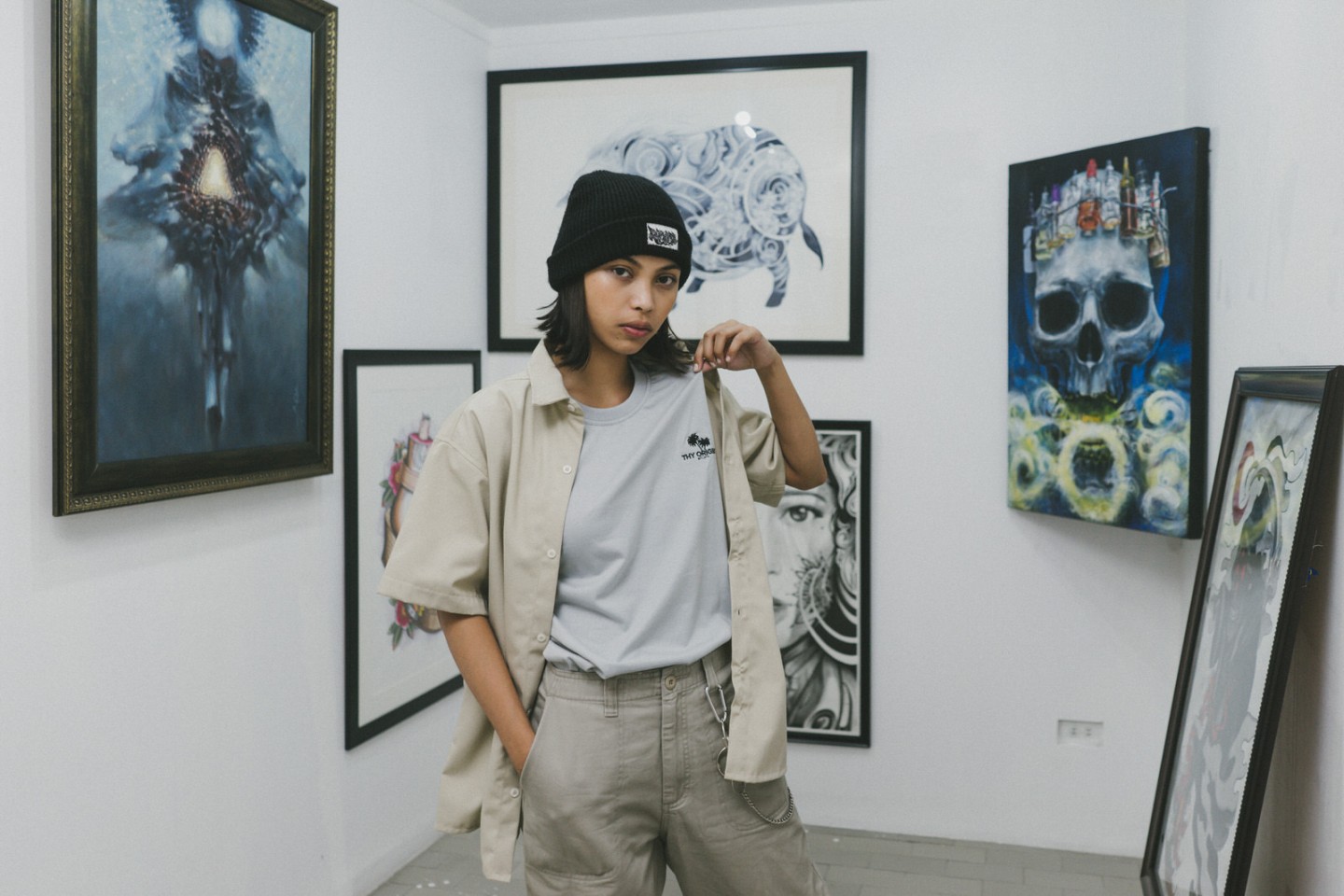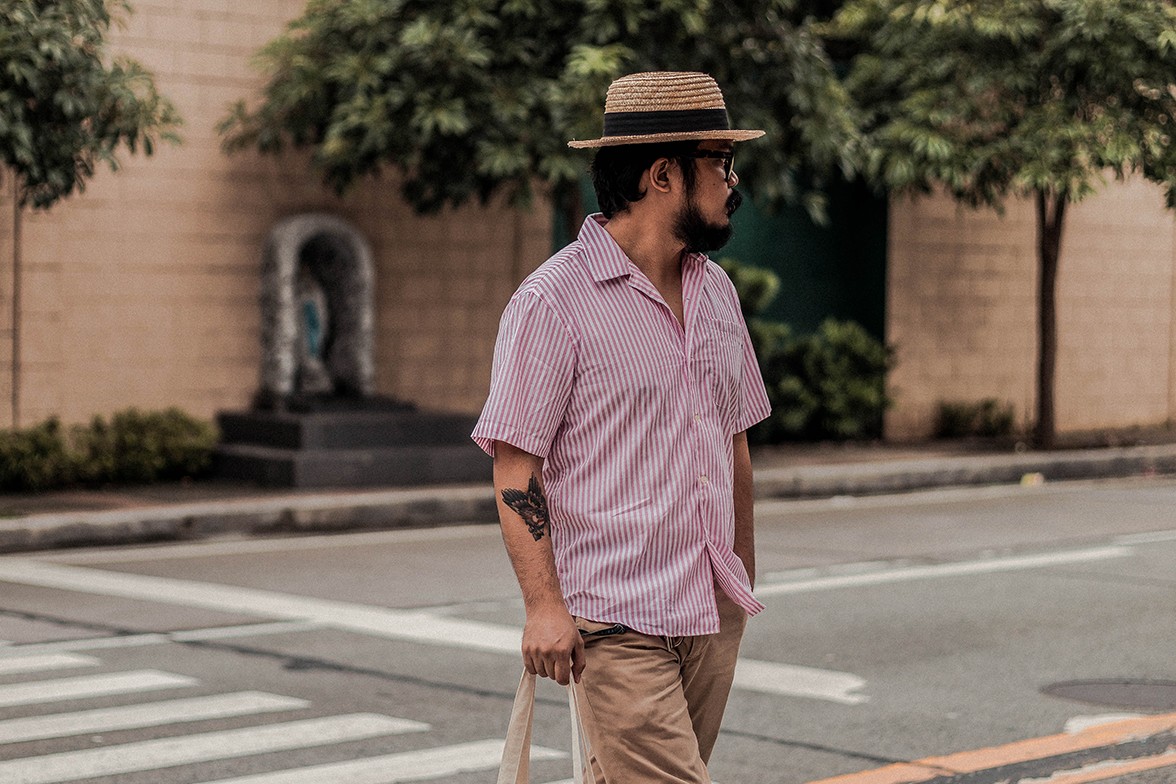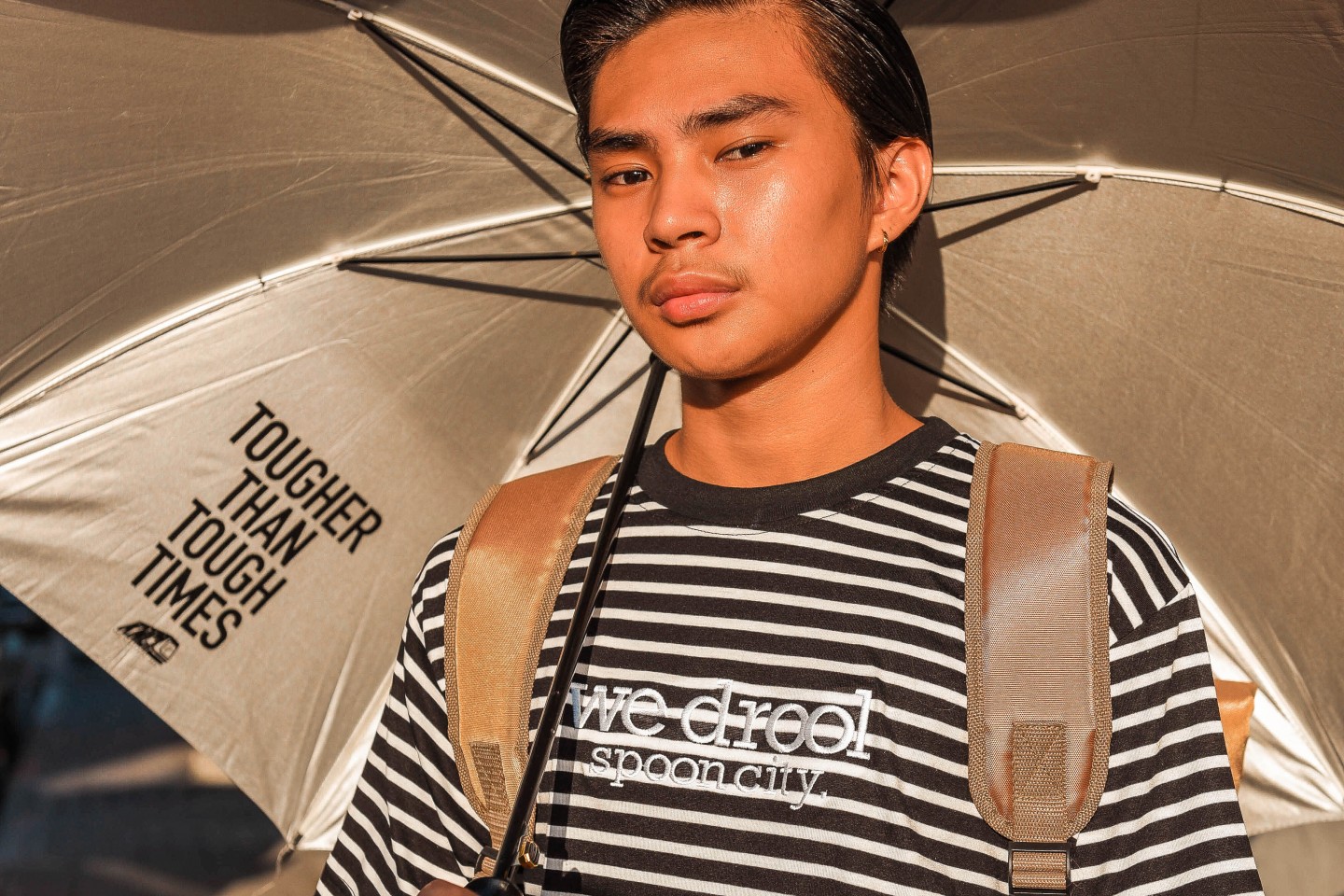

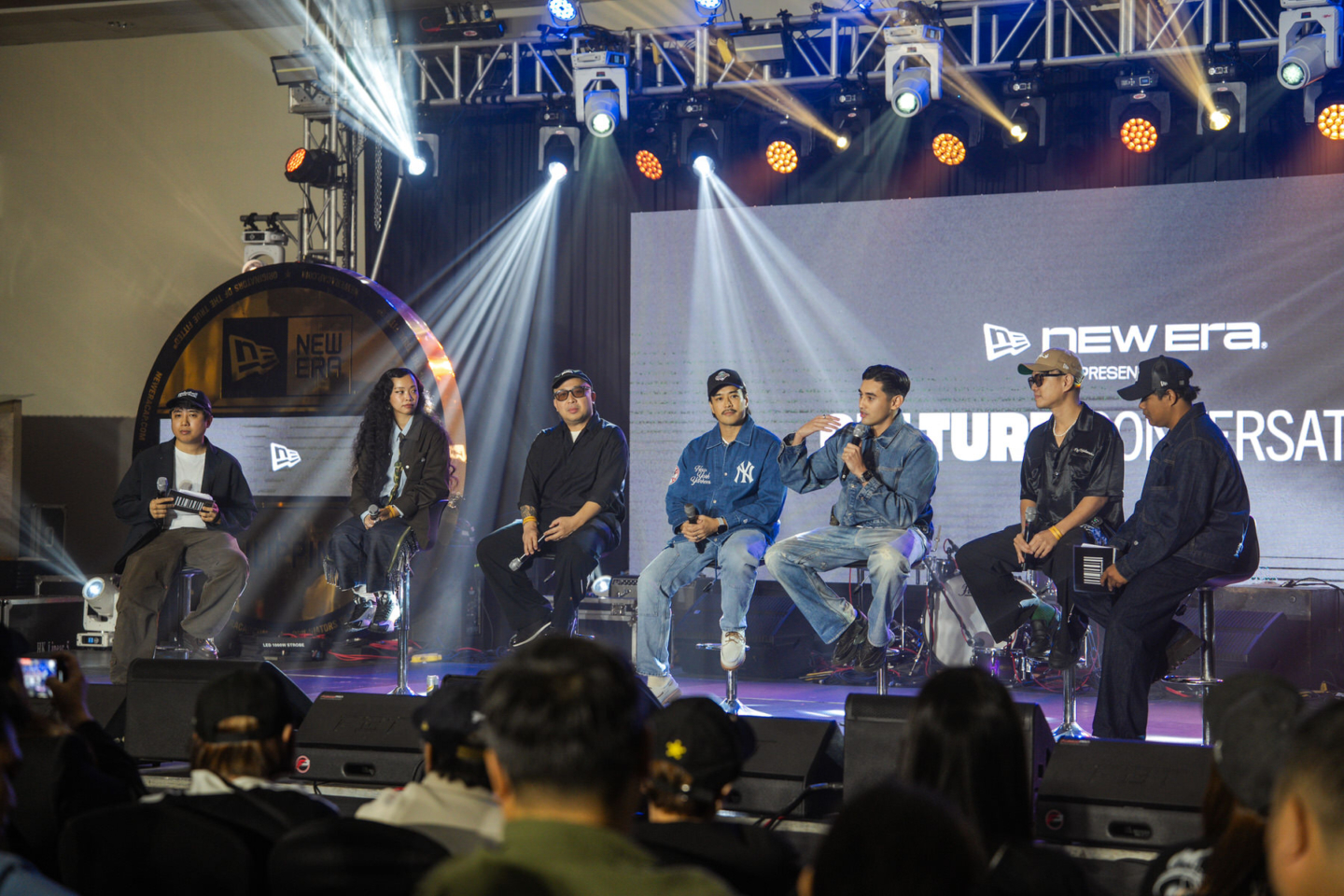
It’s hard to believe that New Era has been in the Philippines for only ten years. With the way it fits so naturally in the local streetwear, style, and subcultures, it feels like it has been here for way longer than a decade. The brand has become a respected name in headwear and a reputable platform for elevating hyperlocal brands and communities.
In its decade run so far, New Era has tapped into original voices from niche subcultures. This has led to a series of collaborative projects that span across various interest groups and communities including collaborations with local brand PROGRESS, National Artist BenCab, music icon Eraserheads, and even brands that serve tightly knit communities like Fine Craftsmen. Its positioning and cultural resonance have taken root impressively, all within just ten years.
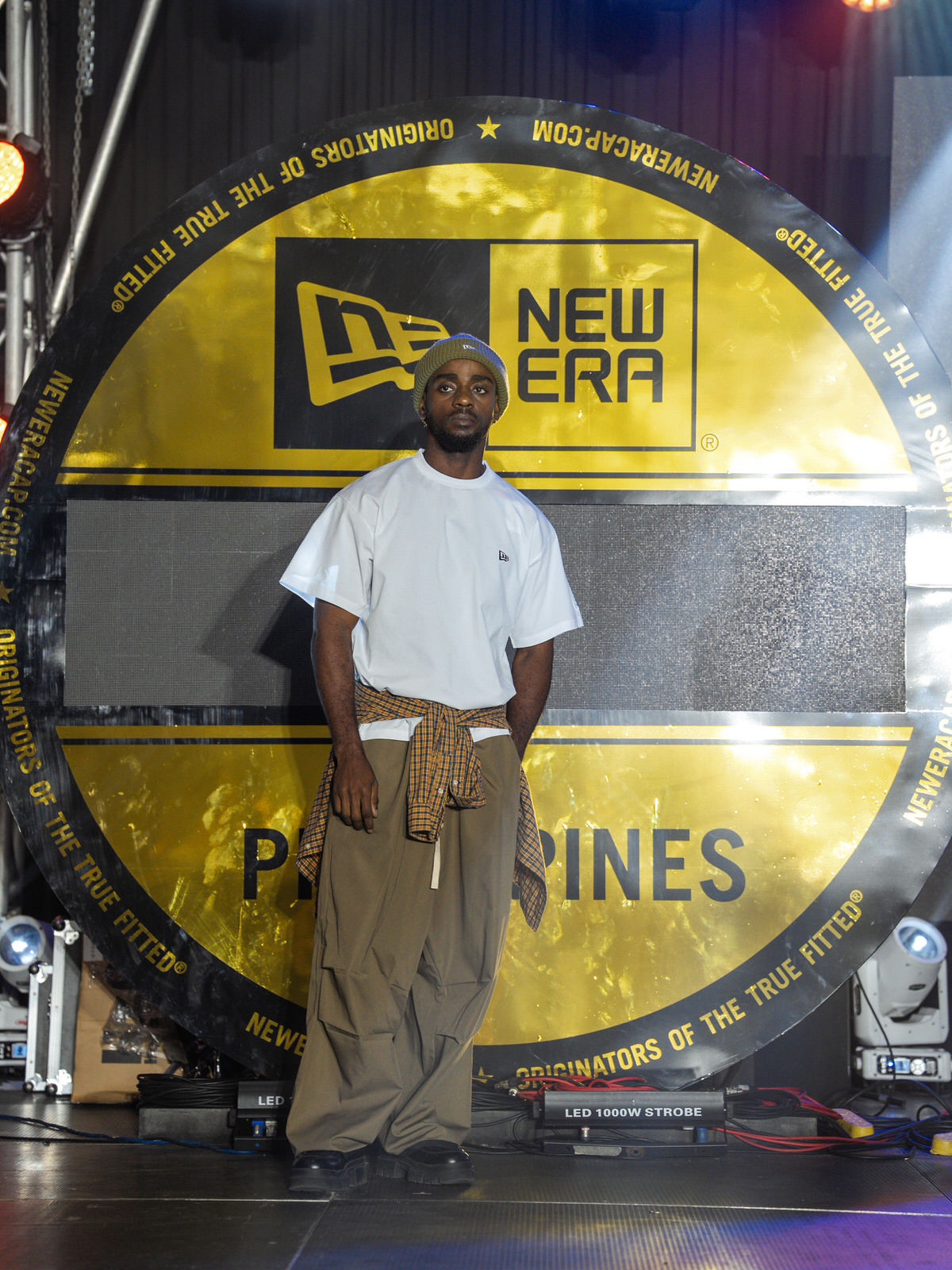
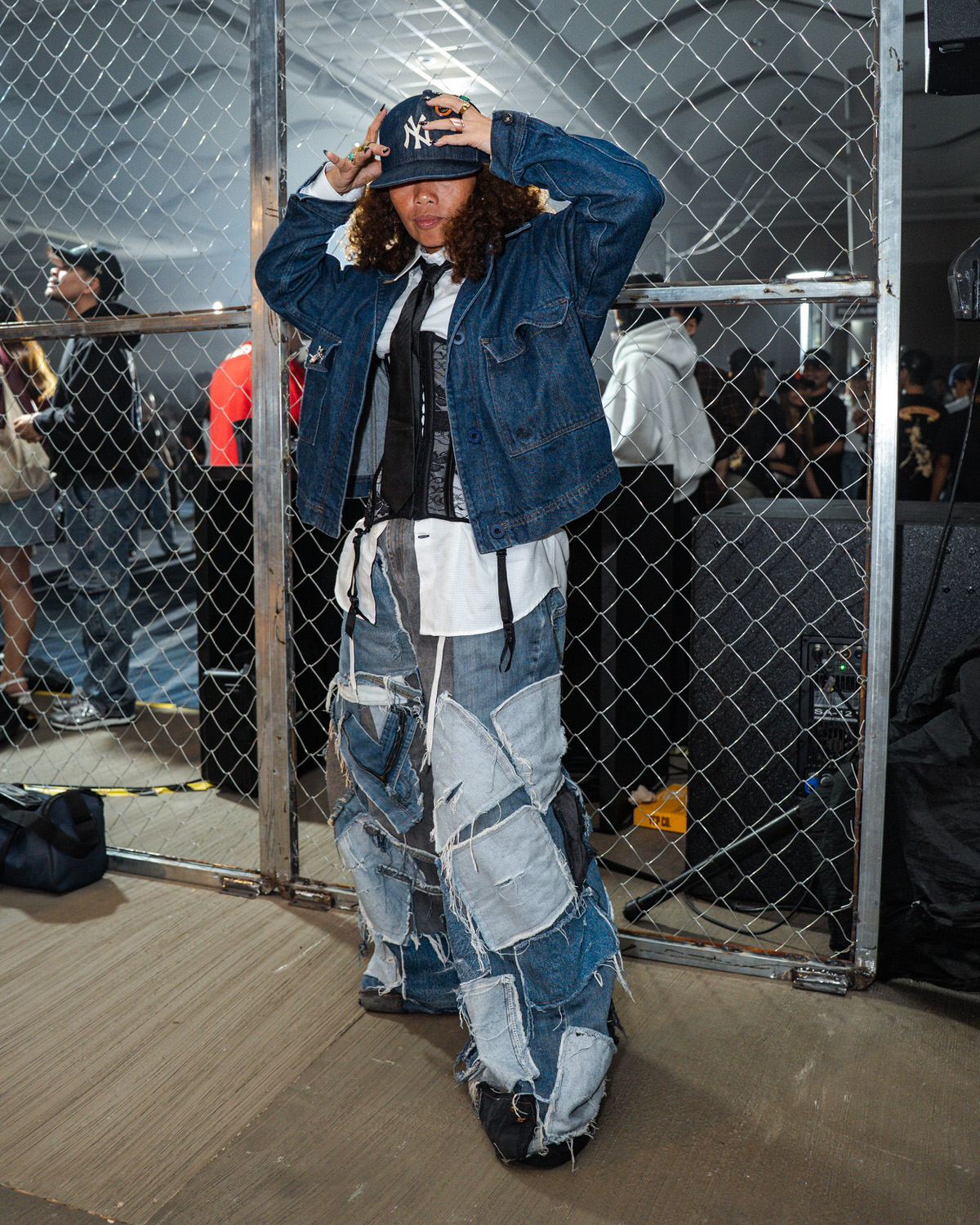
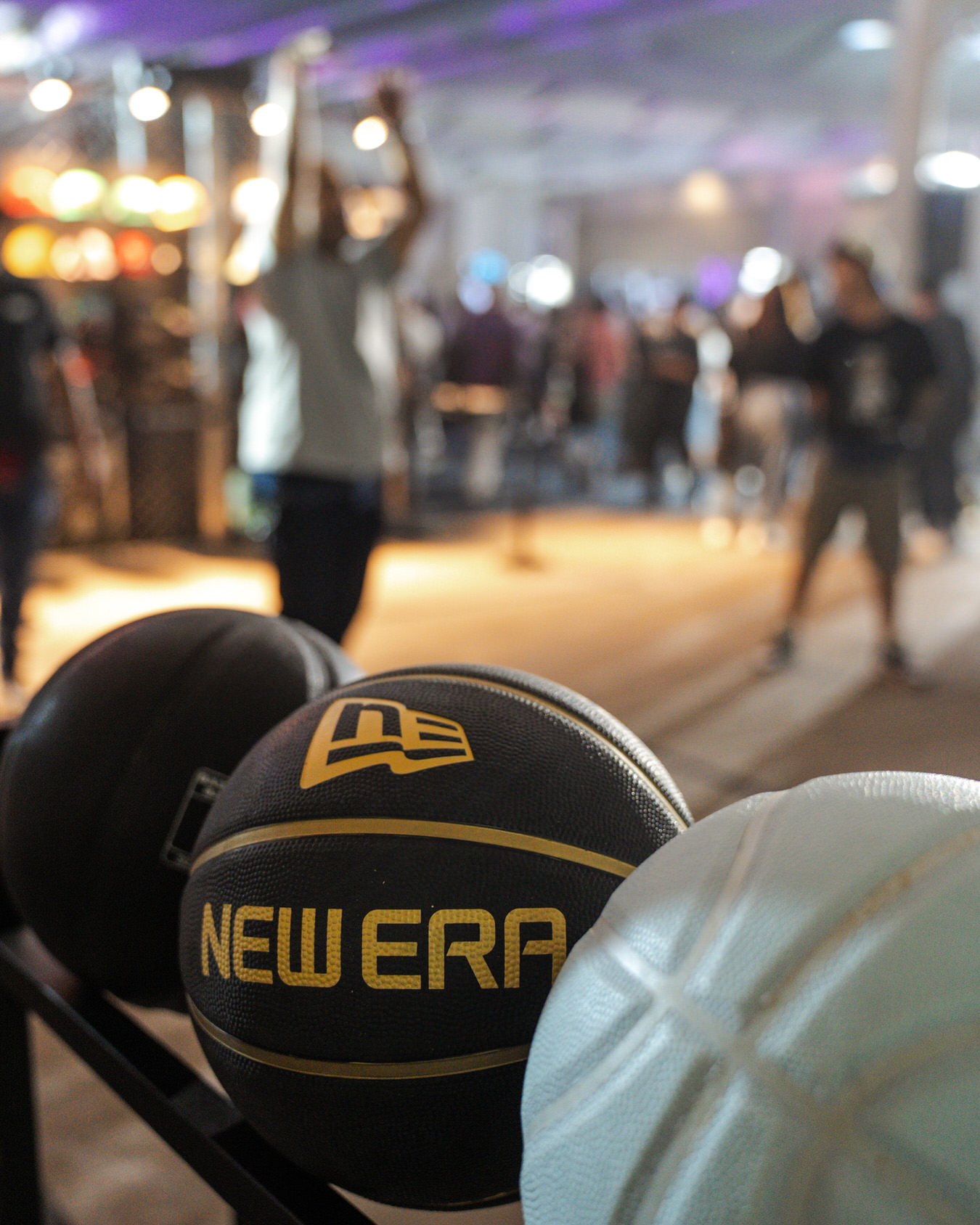
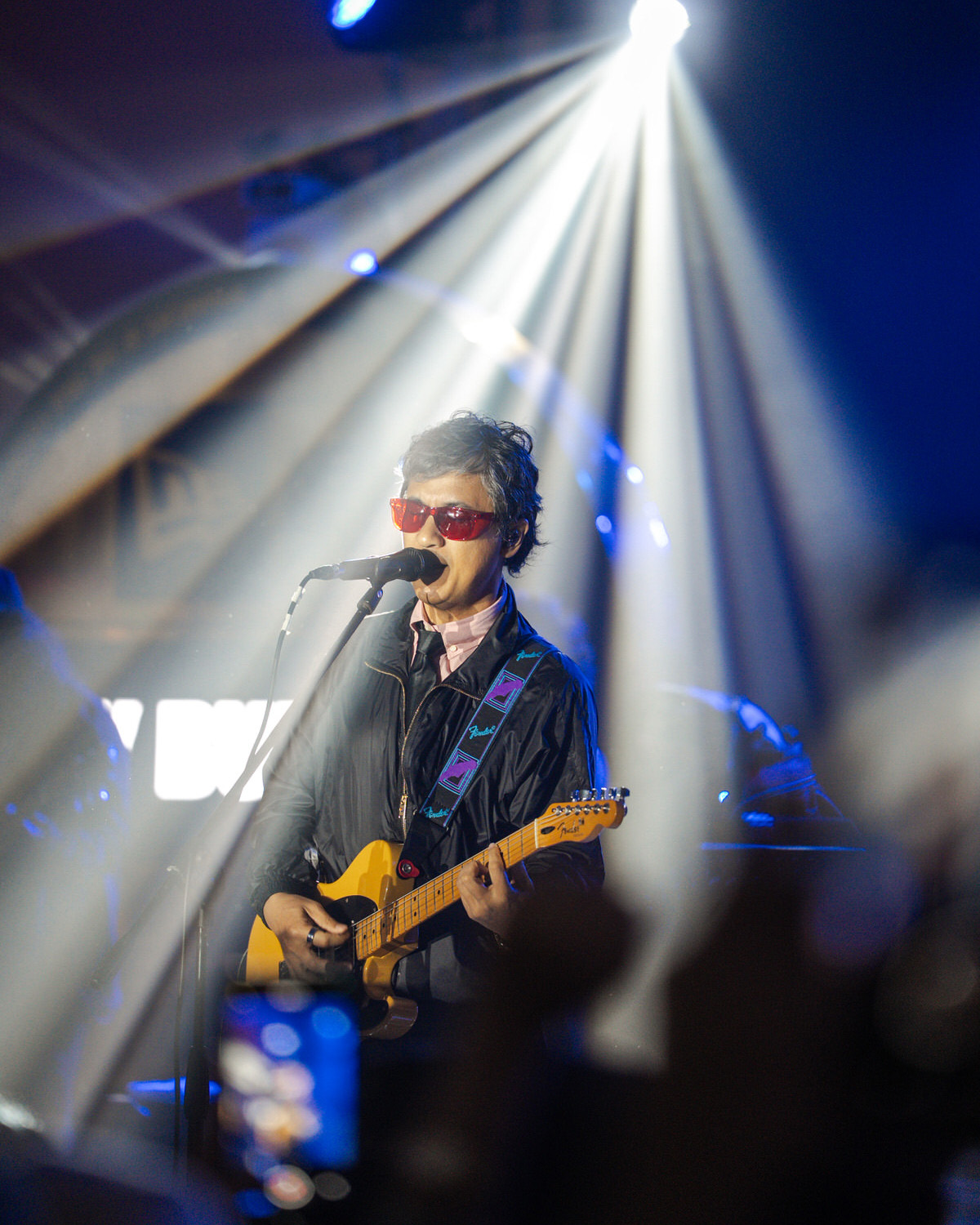
Last July 12, New Era celebrated its 10th anniversary in the country with a full-day event that brought the essence of New York to Manila. Transforming the SMX Convention Center into New Era City, the brand filled the venue with stories, history, and culture. The event featured immersive installations, a museum-like section with historical caps, customization stations, exclusive releases, performances from big names in the local music scene, and activations for fans of the brand and spectators of street culture alike. There was also a section that unveiled ten upcoming major collaborations—most of which were with local brands or those significant to Filipino pop culture.
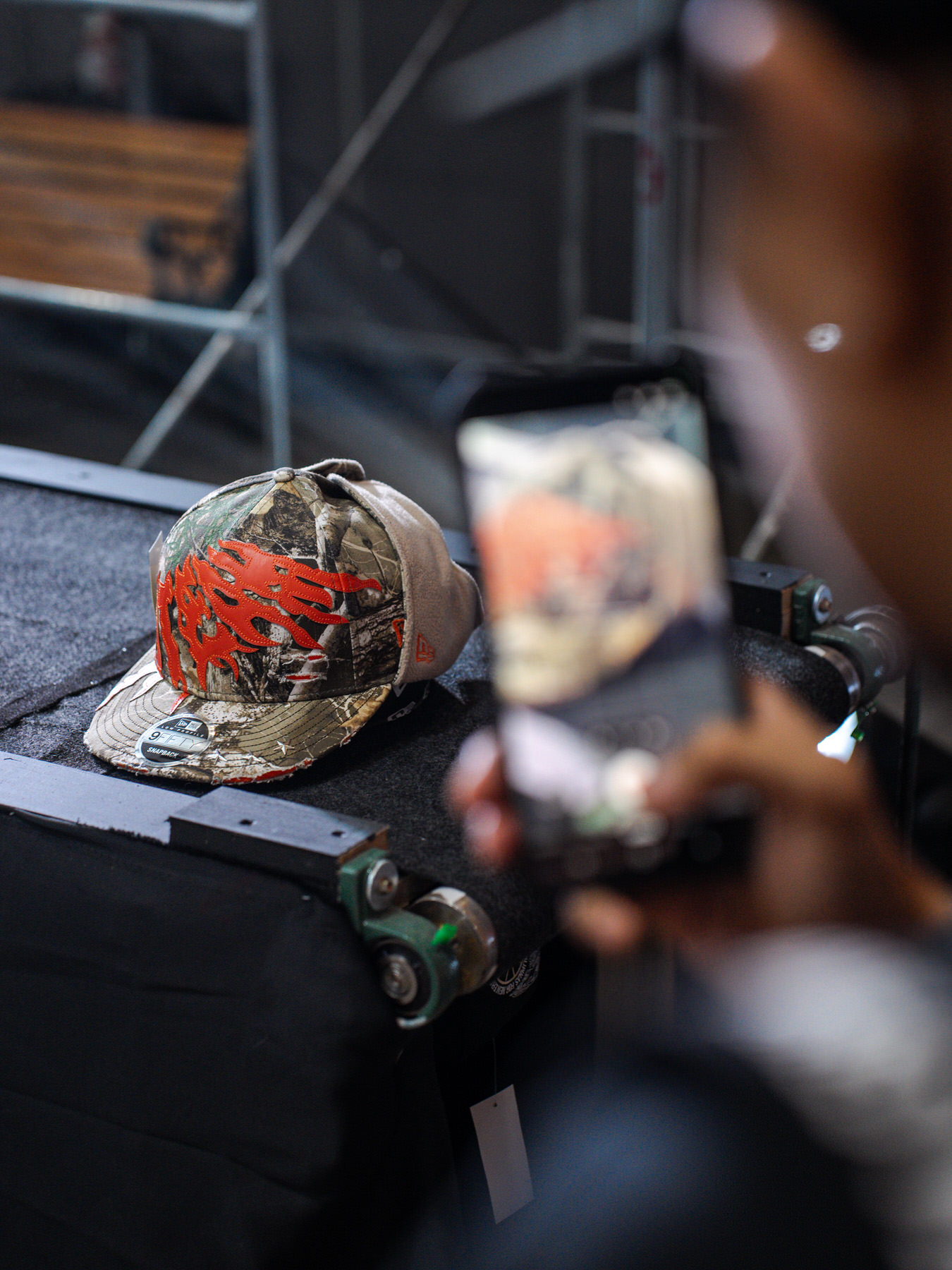
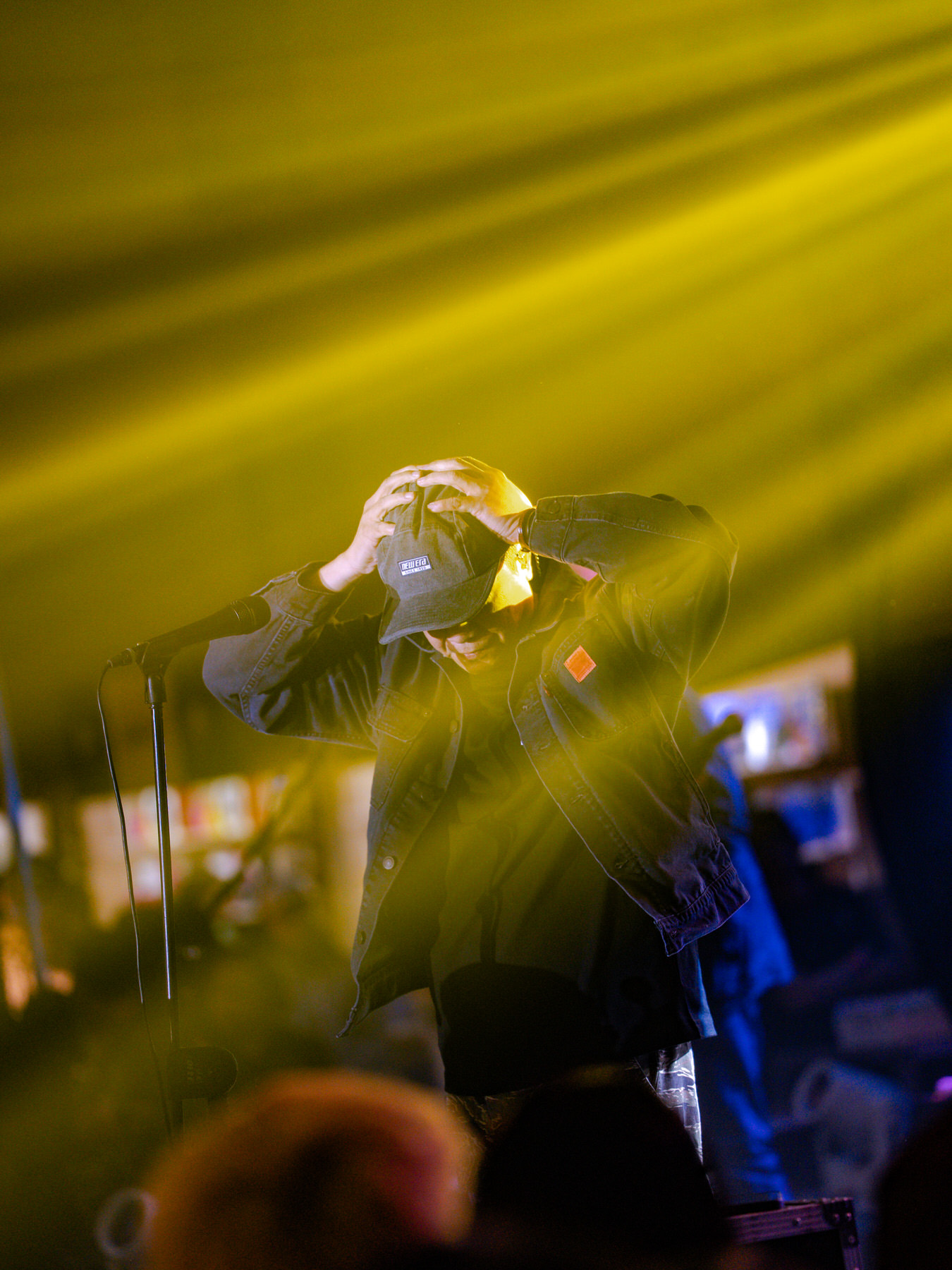
Beyond the installations and fanfare, the heart of the celebration was the Culture Conversations, a panel discussion that dove deep into the global impact of streetwear culture. Moderated by Lex Celera and Paulo Reyes of Monday Off, the panel featured key figures in the local scene such as stylist Florian Trinidad, Commonwealth Philippines co-founder Michael Concepcion, and VMAN Southeast Asia Channel Lead Brent Javier, as well as international guests Chooee Hwang of Streething and Mark Ong (better known as Mr. Sabotage) of SBTG.
Together, they shared insights and anecdotes about their personal experiences on how streetwear culture has evolved both globally and locally, the keys to a lasting streetwear brand, and reflections on New Era as a brand.
A common theme highlighted was authenticity as the foundation for longevity. With streetwear existing at the intersection of multiple interests—from music, sports, art, and culture—do brands need to engage in all these arenas to stay relevant? Michael Concepcion emphasized that it all boils down to what feels authentic to the brand.
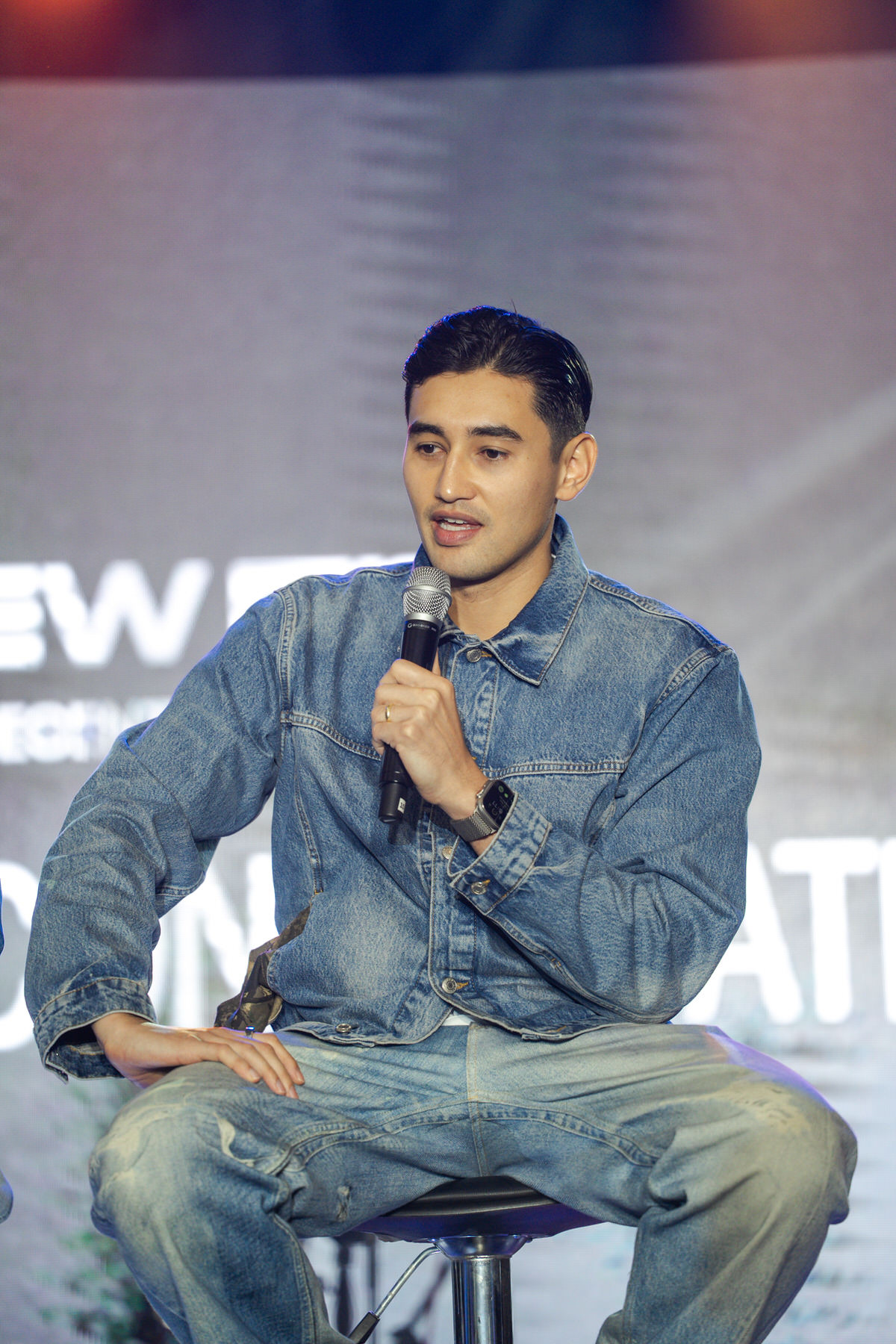
“I think brands just need to be authentic to their point of view, stay true to whatever they’re trying to create, and be consistent with that instead of being FOMO and pivoting to the next trend. I just came from Paris last week and the brands that I respect the most are those that are innovating but staying consistent with their message. They grow while staying consistent. You can lean into it [different arenas] if that’s your story and that’s authentic to who you are.”
Another key point was the importance of the people behind a brand. Michael adds:
“You can tell who will be successful in the next five years just simply from the people behind it. Do they understand the cultural references? The musical references? The skate references? The art references? Or are they just using it as a hook? Just live the brand. Try to be part of that culture.”
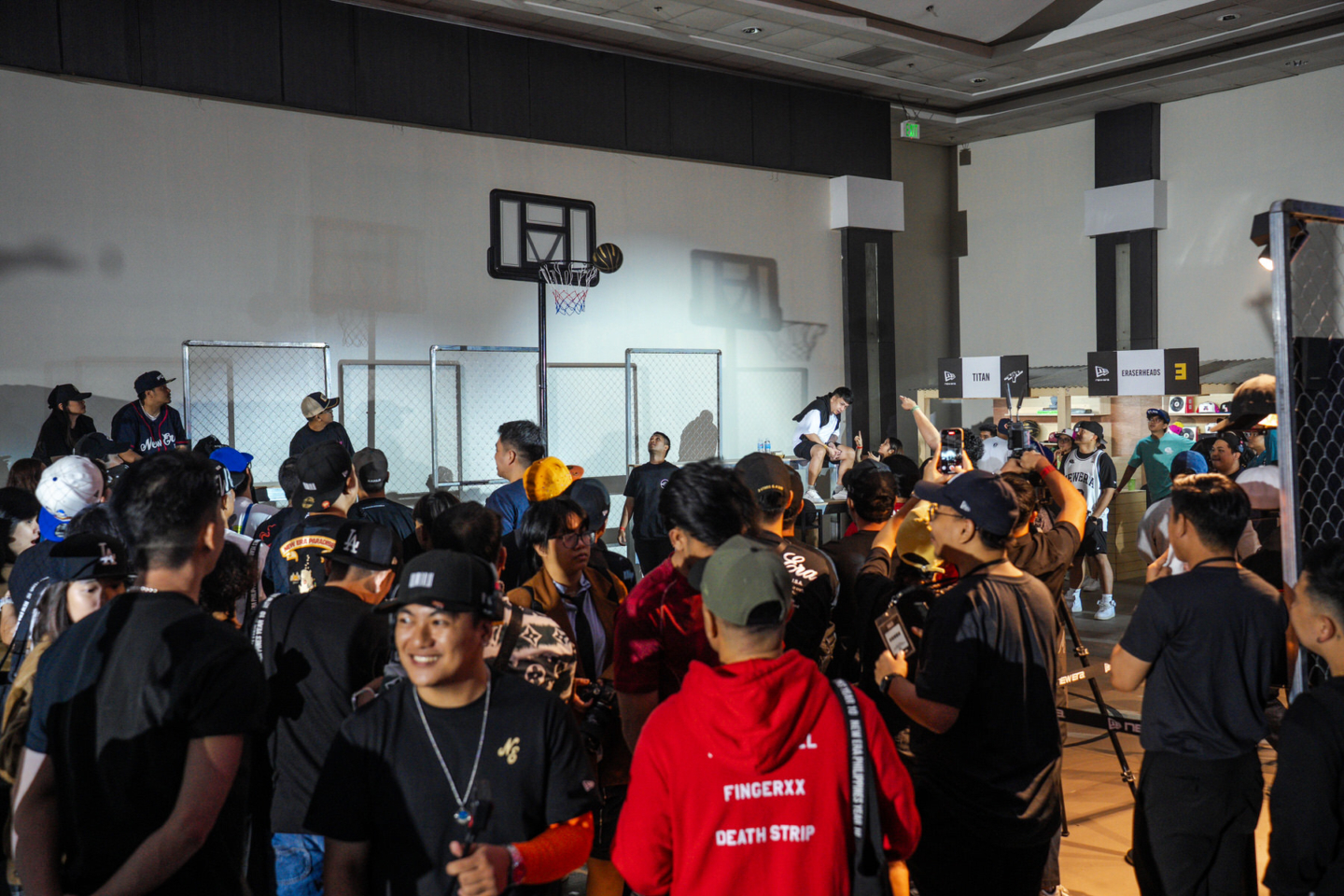
All of which have been evident in how New Era evolved as a brand: sports-rooted, culture-driven. The transition from a sports-focused headwear company to a cultural tastemaker didn’t happen by chasing trends. It happened by evolving naturally with its audience while staying true to its roots.
What started as baseball caps for MLB led to them eventually realizing that fans wore caps not just to support teams but to express identity. From there, their caps crossed over to music–particularly hiphop–with artists like Jay-Z, Nelly, and 50 Cent wearing New Era caps in their music videos.
Eventually, different scenes such as skateboarders and graffiti artists started to embrace them, too. New Era started leaning into this identity shift, recognizing the cultural capital it had built outside of sports. Today, the brand occupies a unique space: sitting at the intersection of sports, fashion, and culture, without losing sight of its roots. It maintains credibility in sports, still serving as MLB’s official on-field cap while also collaborating with the NBA, NFL, and more. At the same time, it is respected in fashion and street culture, thanks to decades of organic adoption and intentional evolution.
Brent Javier could attest to New Era’s brand journey:
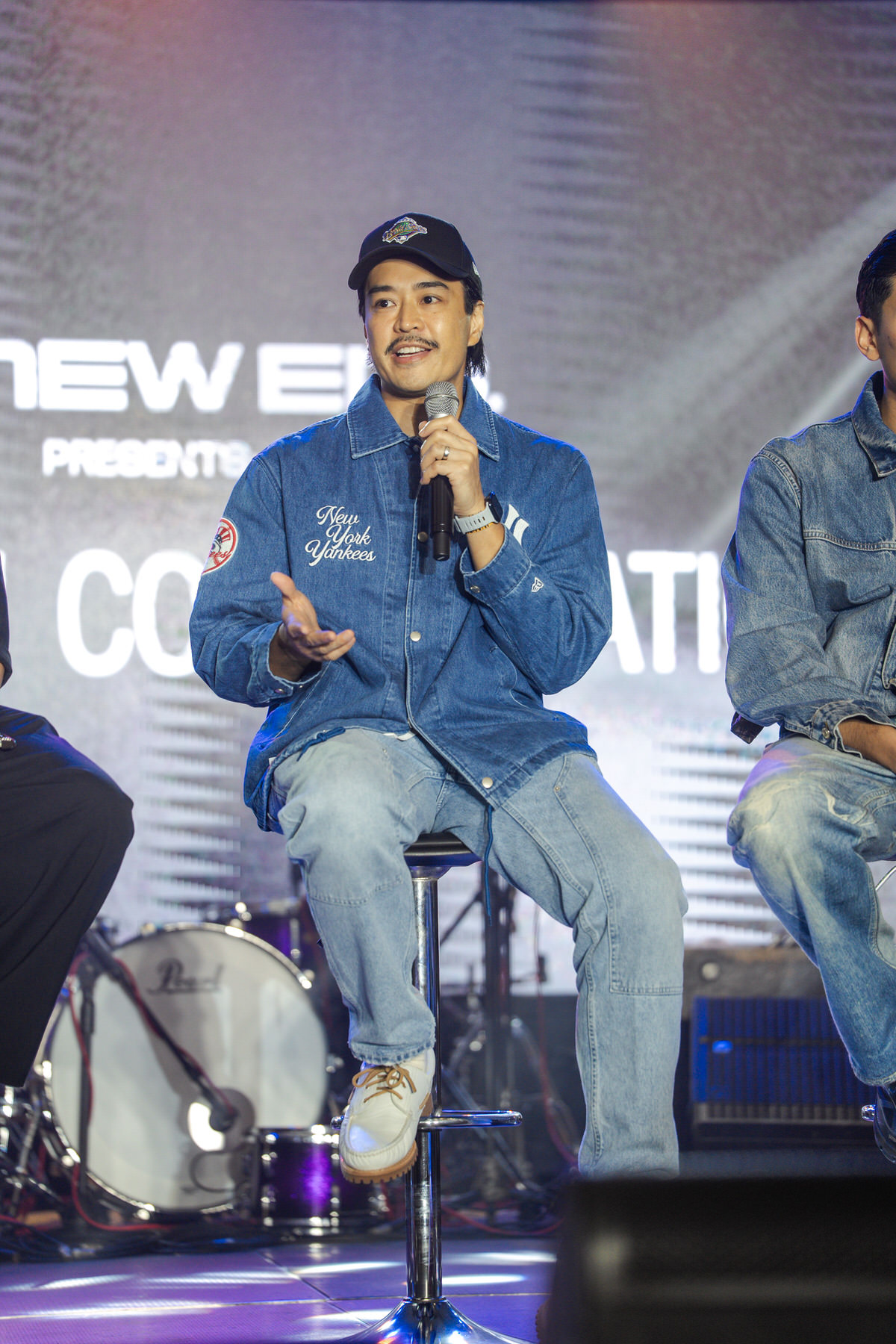
“That was 100% my journey with the brand too. I am from Toronto, Canada, and sports is my first touchpoint [with the brand]. Toronto is a sports city, at least in my opinion. When I was younger, the Blue Jays won the ’92 and ’93 World Series back to back, and that’s why I loved New Era caps because it felt like owning a part of the city and feeling the energy of that time. Then it just became fashionable. But before it became fashion, it represented the emotions you get from sports and repping your city. That’s why I love New Era.”
Mark Ong highlighted New Era’s strength in storytelling and bridging subcultures:
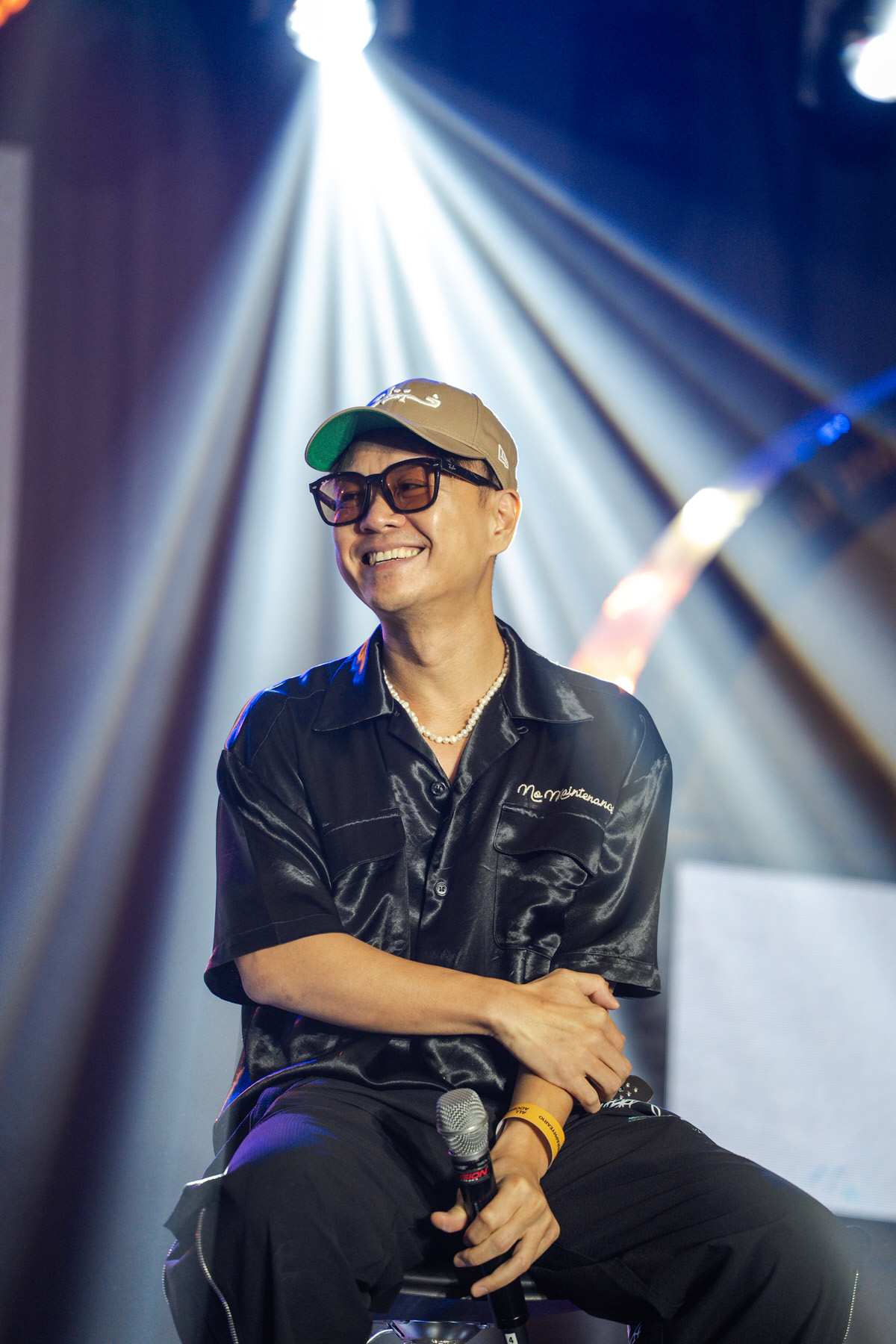
“I think the cap is a vehicle to tell a story. And out of all the headwear brands, [New Era] tells the best stories.”
From here, the conversation moved to trends and the future of streetwear. As trends spread rapidly and globally, concerns of streetwear becoming a monoculture have grown.
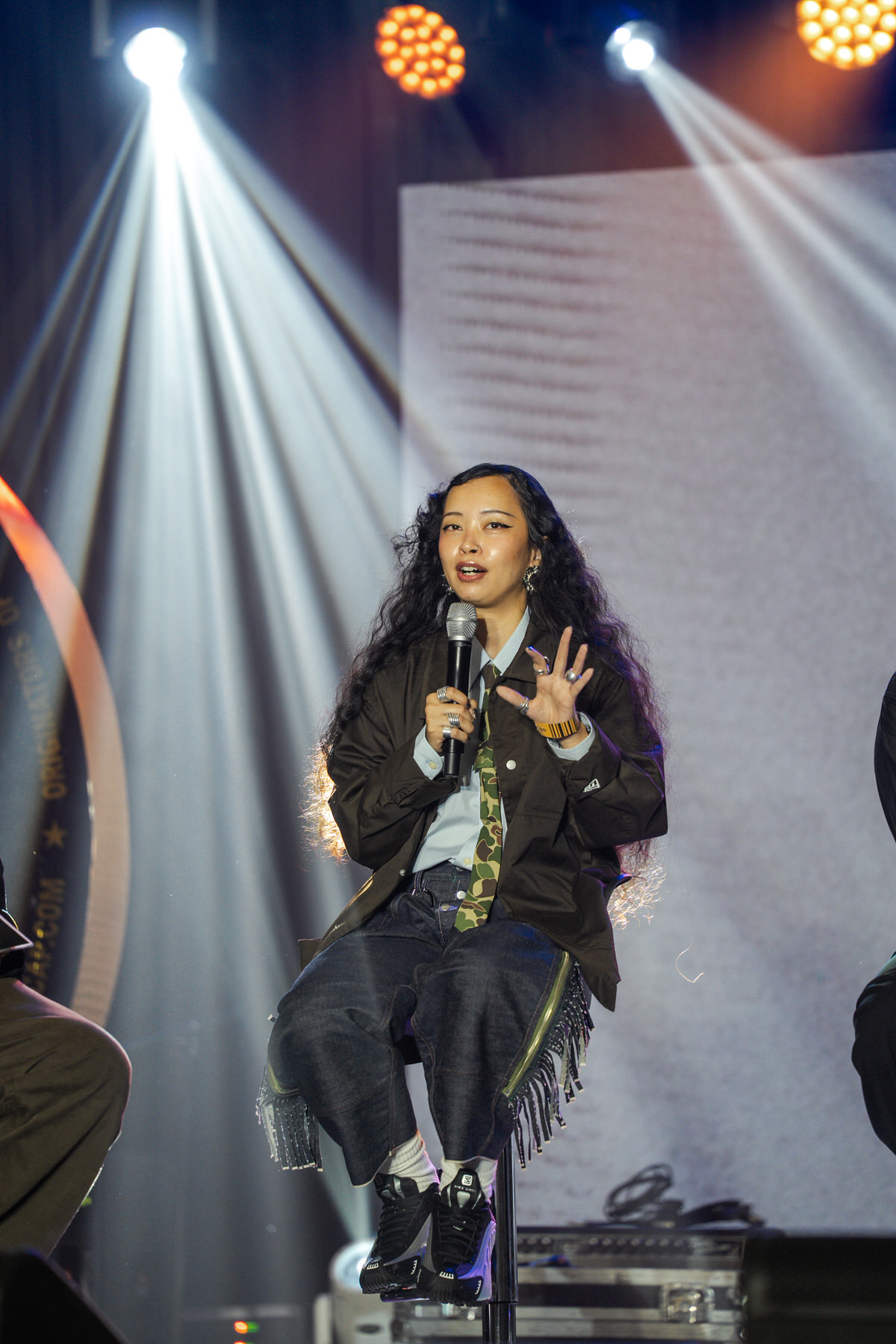
Flo Trinidad was asked what makes our region’s point of view stand out. She responded:
“I think people here are now focusing more on their group, their community, and their own experience. And I’m seeing a lot of brands that aren’t looking at the trends but looking at us as Filipinos and as Southeast Asians. For example, what Auggie [Fontanilla] is doing at Mabuhay Clothing. You see the art. You also see the Filipino identity and community. And I think most of the brands here now really do know who they are and aren’t really looking to replicate other global brands. They’re just staying in their lane and embracing who they are.”
This strong belief in the potential of the local scene is echoed by Michael. When asked about a recent trip to Paris Fashion Week, he reflected:
“I came back [from Paris] and said, ‘Why am I building other people’s brands internationally?’ We have so much talent here. I immediately messaged five or six brands and said, ‘Let me figure out a way to platform you.’ If you’re not ready to be on the level of knowing how to wholesale or be in touch with manufacturers, let me try to help. I think we have so many talents here. There are so many great brands, but the current retail model isn’t working in their favor. I’m hoping we can be a vessel for that. I’m hoping there can be other stores that can be a vessel for that.”
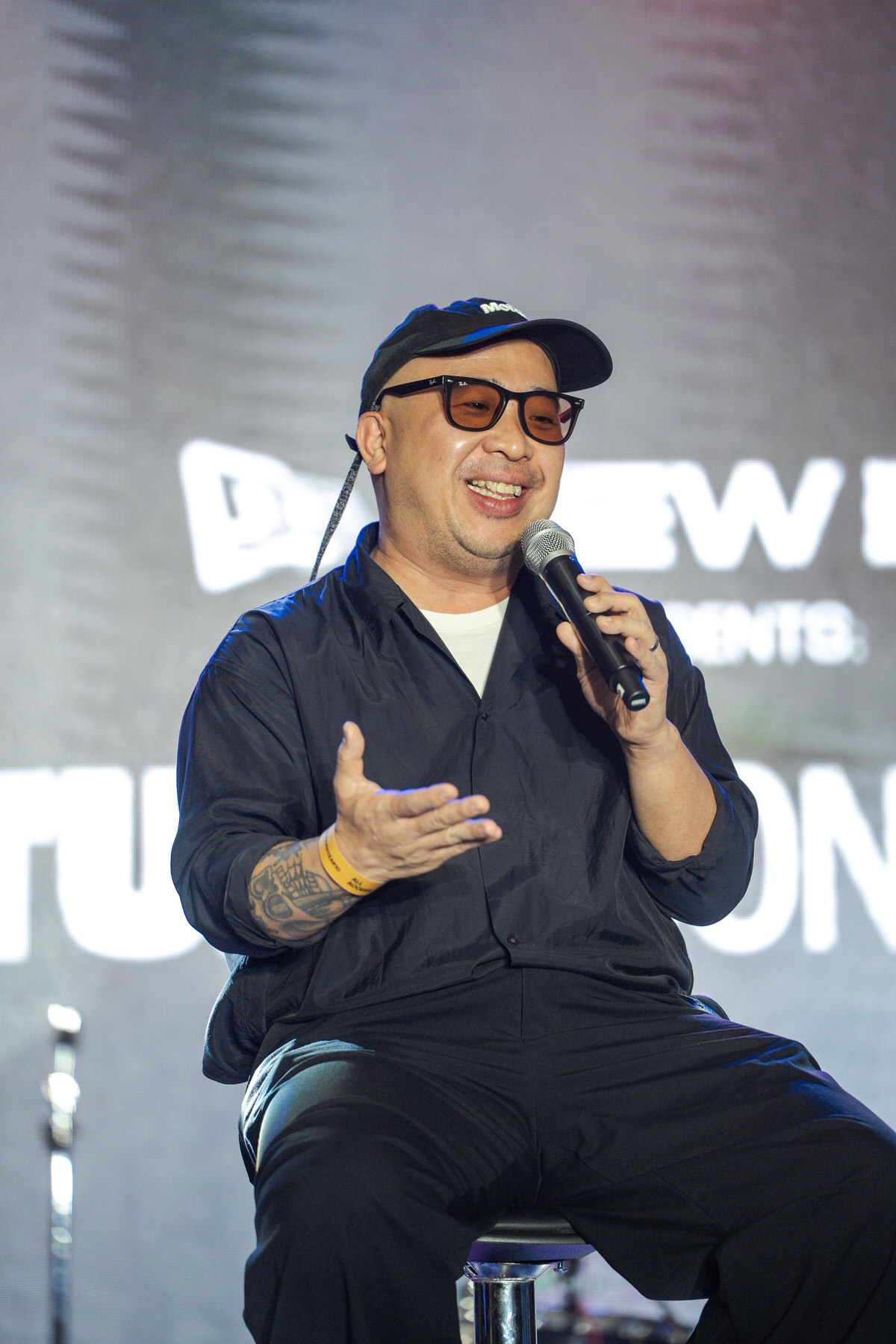
Chooee Hwang echoed this sentiment.
“I agree with what Mike is saying. I have the [same] objective of showcasing that we have talents in Southeast Asia, and the time is now. Mike made a good point. He went to see 40 brands [in Paris] and walked away with two. Meaning he has seen enough of what there is in Paris, and he knows there’s more to explore here [in the Philippines]. I have the same objective. There are so many talents in our part of the world, and we’re too humble.”
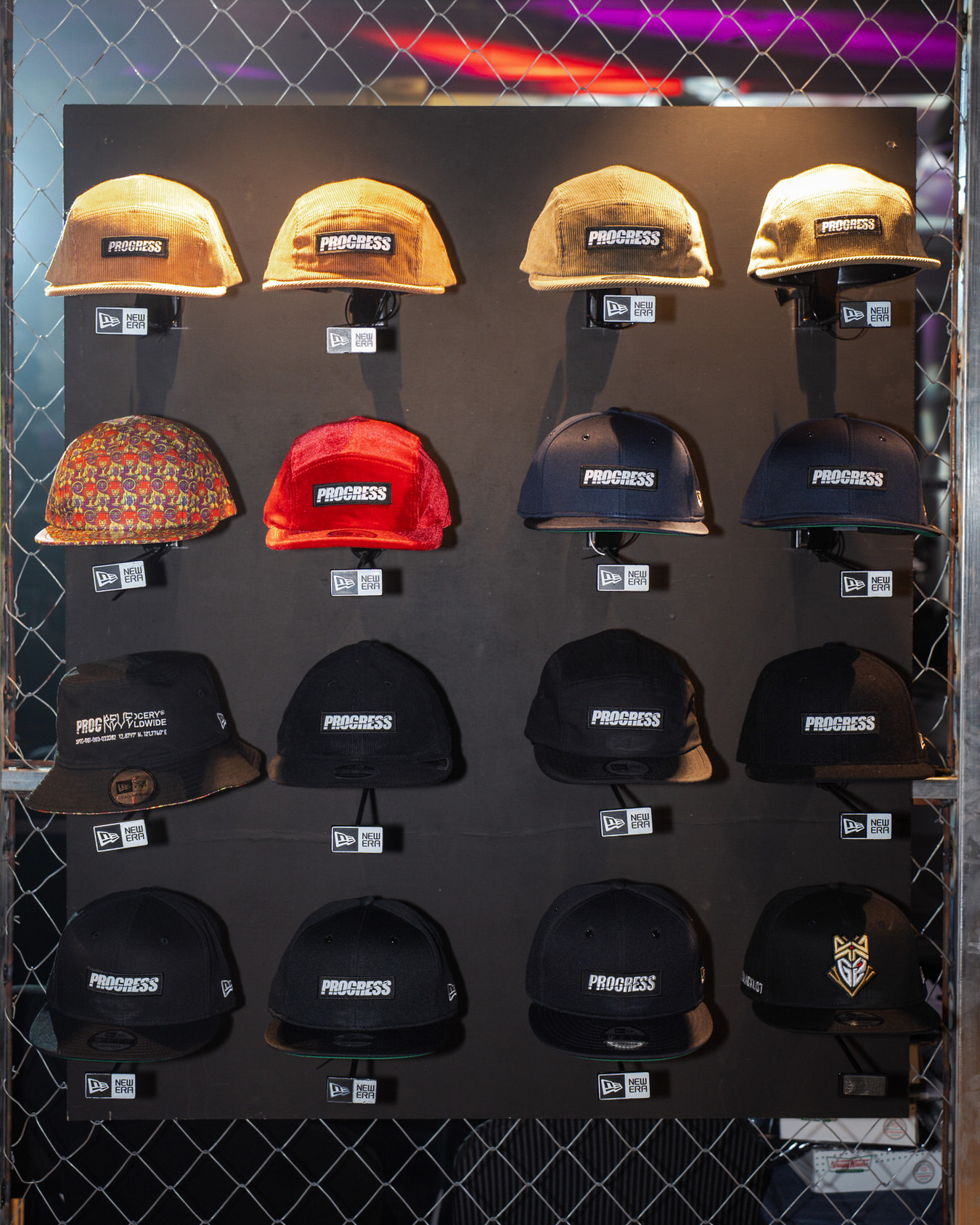
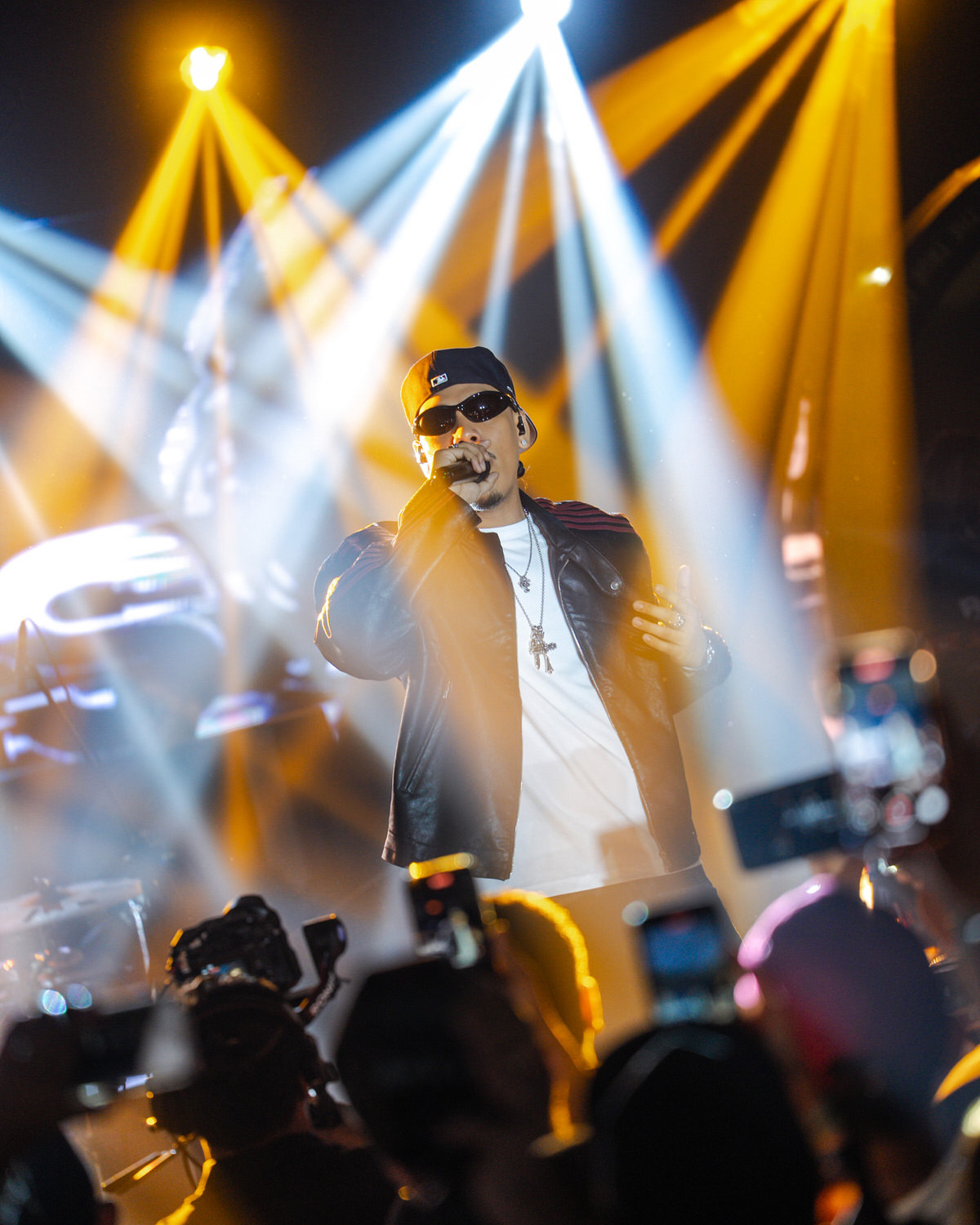
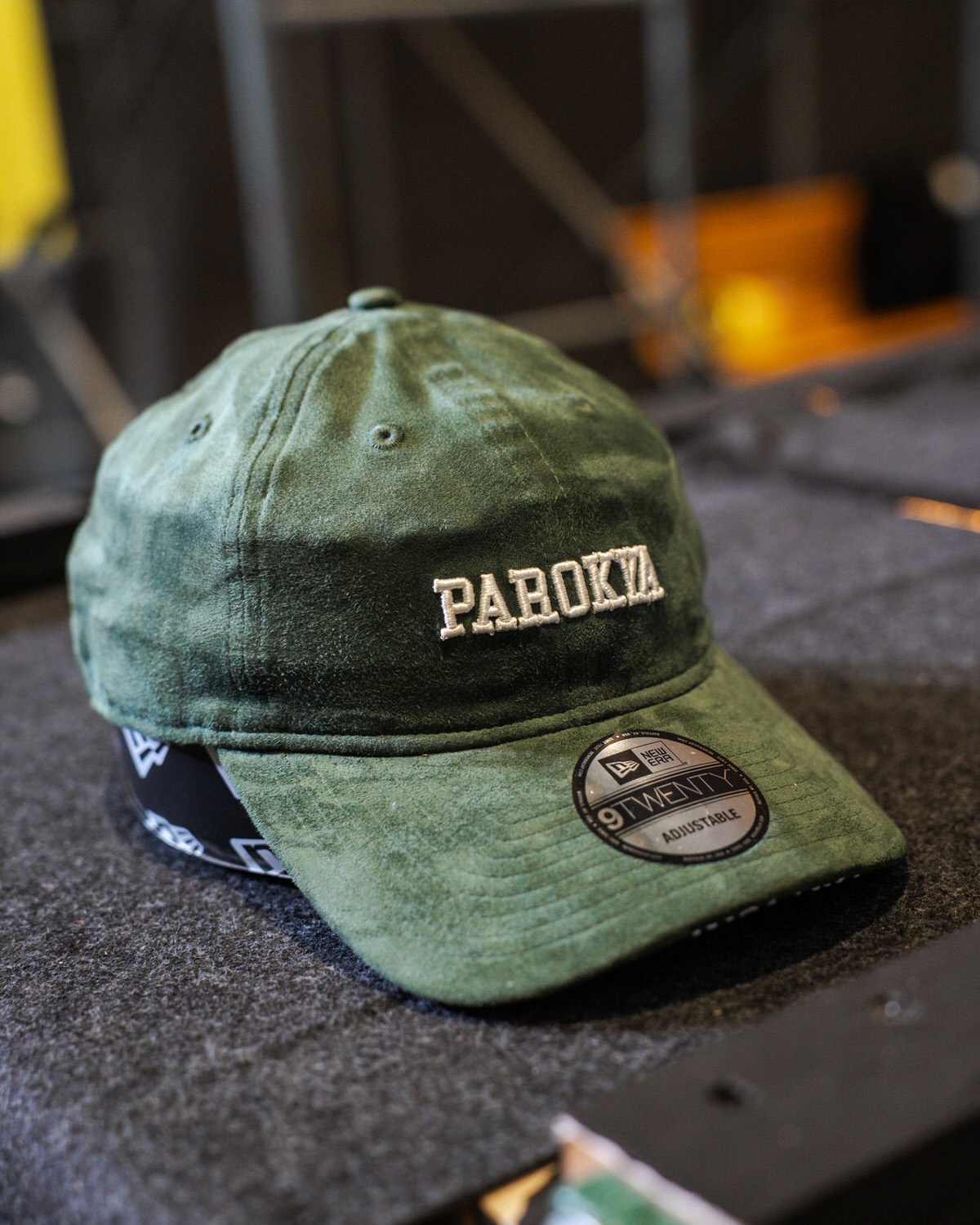
These reflections on the strength of our local identity despite how easy it is to be influenced by global trends are echoed in New Era’s commitment to amplifying homegrown voices and personalities. This is clear through the hyperlocal collaborations unveiled at the event, such as collections with Secret Fresh Gallery, A-team, Stance Pilipinas, Titan 22, Parokya Ni Edgar, and New Era Philippines’ 10th Anniversary.
These upcoming releases display how New Era sees the future of streetwear: hyperlocal, personal, and rooted in cultural pride. They touch on elements of Filipino identity that reflect an undeniable shift: the Philippines, and Southeast Asia at large, is no longer just influenced by global streetwear culture. Instead, our stories are becoming the reference.
Culture Conversations concluded with reflections on the past, present, and future of streetwear. In streetwear today, the world isn’t just watching Southeast Asia—it’s drawing inspiration from it.